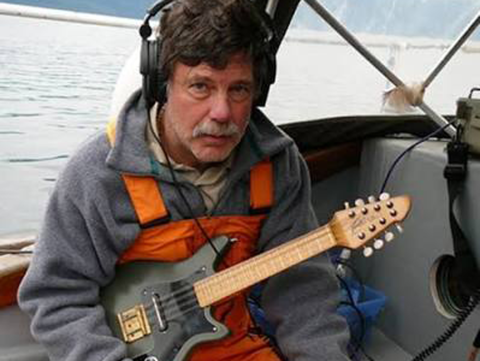
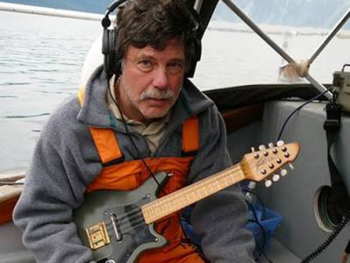
“Our best musical interactions with whales can only be explained as interactive music
making. My artistic experiments have led many people to understand that animals are as creative with sound as the best human musicians.”
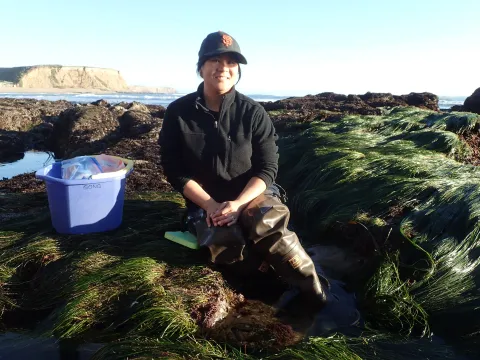
“What I find rewarding in teaching science is seeing my student’s viewing life through microscopes, dissections, and through our explorations of endangered species.”
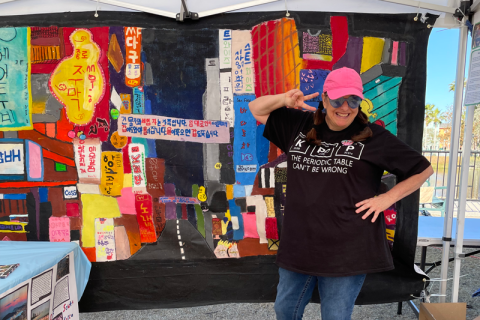
“In creating some cross-curricular connections for other teachers on my team, I no longer feel like I must cover EVERYTHING about climate change in science. Now students study climate change in social studies, ELA and math classes.”
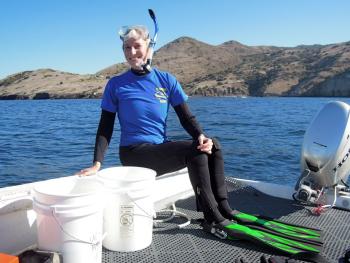
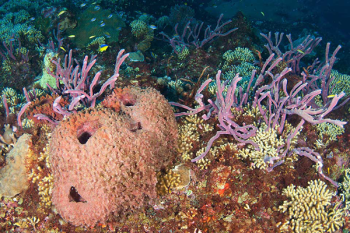
“Students see the impacts of climate change firsthand as they collect data on water quality, conduct coral bleaching surveys, and observe the reef and its inhabitants.”
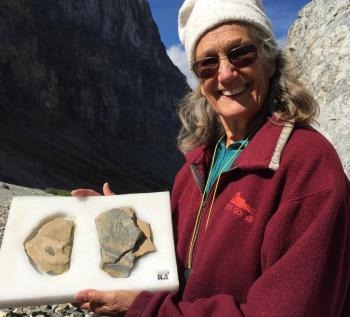
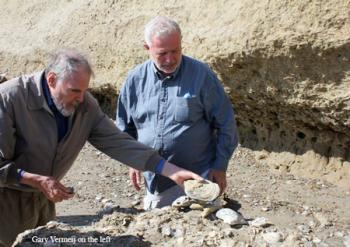
John Gregg’s classroom is a giant warehouse where everyone is welcome. The scope of John’s fossil collection takes your breath away. The best part is that John shares stories about all the fossils. Mollie is one of his favorites. She is a rare fossil of an ancient sea turtle, like a leatherback that would eat ammonites. She even has a mosasaurus bite in her shell.
“My favorite way of teaching the impacts climate change is when we cover animal variations, mutations, and adaptations. The challenges for animals to adapt to an ever-increasing climate crisis really hits home with students.”
Phyla Description
Lorem ipsum dolor sit amet, consectetur adipiscing elit, sed do eiusmod tempor incididunt ut labore et dolore magna aliqua. Ut enim ad minim veniam, quis nostrud exercitation ullamco laboris nisi ut aliquip ex ea commodo consequat. Duis aute irure dolor in reprehenderit in voluptate velit esse cillum dolore eu fugiat nulla pariatur. Excepteur sint occaecat cupidatat non proident, sunt in culpa qui officia deserunt mollit anim id est laborum.