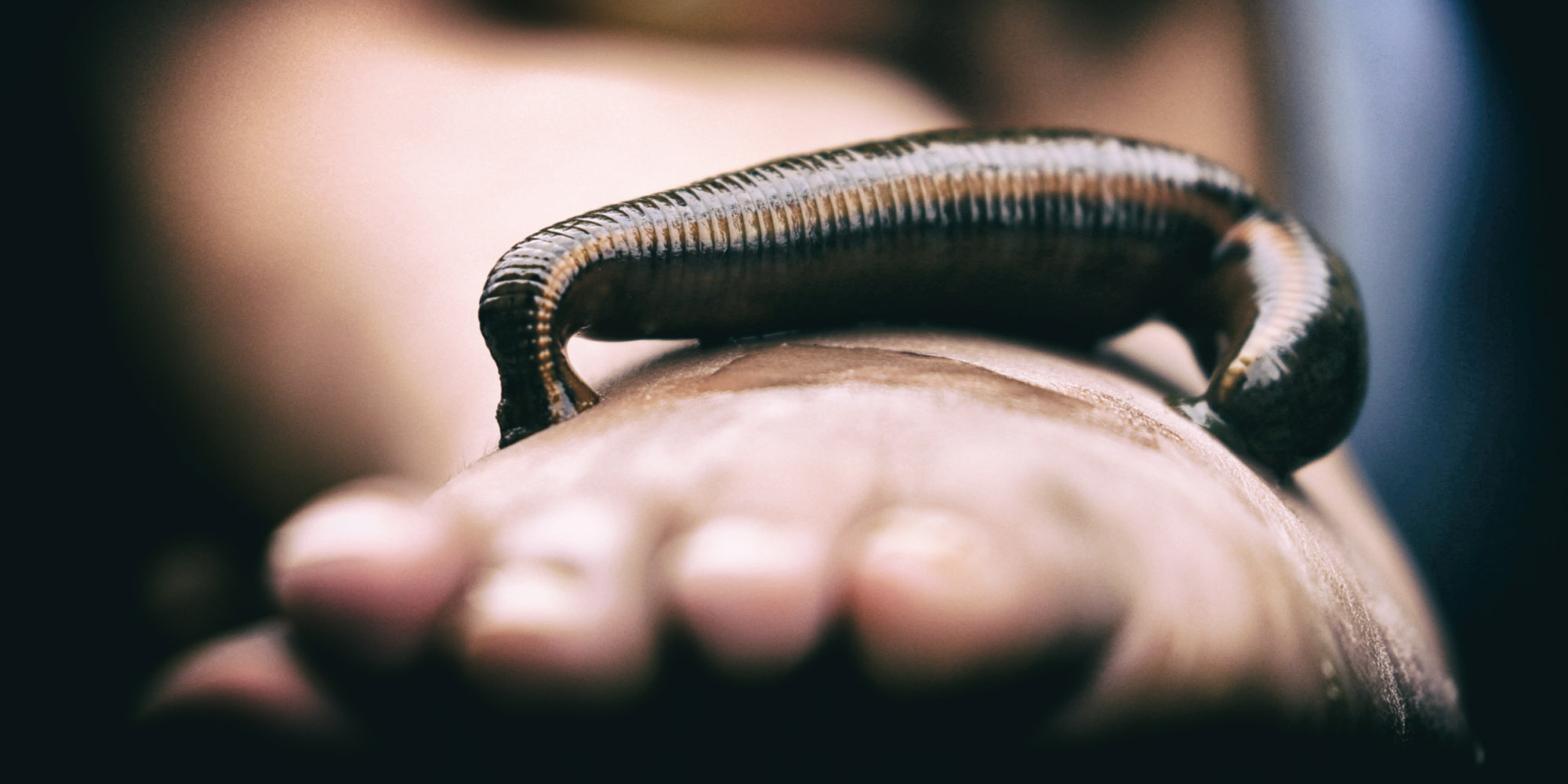
For many centuries, including in ancient Egypt and Greece, doctors thought blood-letting – reducing the amount of blood in a sick person’s body – would cure various illnesses.
Humans and leeches have a long history together. For many centuries, including in ancient Egypt and Greece, doctors thought blood-letting – reducing the amount of blood in a sick person’s body – would cure various illnesses. They did this by attaching leeches to the patient’s body.
A Most Powerful Anticoagulant
Today, we call these leeches medicinal leeches, from the genus Hirudo. Their natural anticoagulant, called hirudin, is one of the most powerful natural anticoagulants ever discovered. That anticoagulant was the only remedy to prevent blood clotting until the discovery of heparin.
Medical leech therapy (MLT) has a long history as described here. Leeches are featured in the writings and murals from ancient Egypt (from 1592 BC), and China and Greece that describe using MLT for many diseases, including those of the liver, abdomen and lungs. In the middle-ages, barber-surgeons used leeches for psychiatric disorders as well as organ diseases.

Leech Craze
MLT peaked in the 17th and 18th centuries in Europe, where it was used by doctors and barber-surgeons. The therapy was so popular that pharmacists sold medicinal leeches in beautiful ceramic jars. In the 1800s millions of leeches were imported by France, Great Britain and the U.S. What a different view of leeches than we have now!
Protein and Peptides
Today, doctors use medicinal leeches for plastic and reconstructive microsurgery, to aid in tissue transfers, in reattaching digits, lips, scalps, nasal tips, and to treat complex facial lacerations. In 2004 the Food and Drug Administration certified the medicinal leech as a medical device, and MLT is currently the subject of many research projects. Leeches have more than 100 salivary proteins and peptides, of which only 15% have been identified. These substances have anticoagulant, anti-inflammatory, anesthetic, vasodilator, antiplatelet, and thrombin regulatory functions.
Neuroscience Model Animal
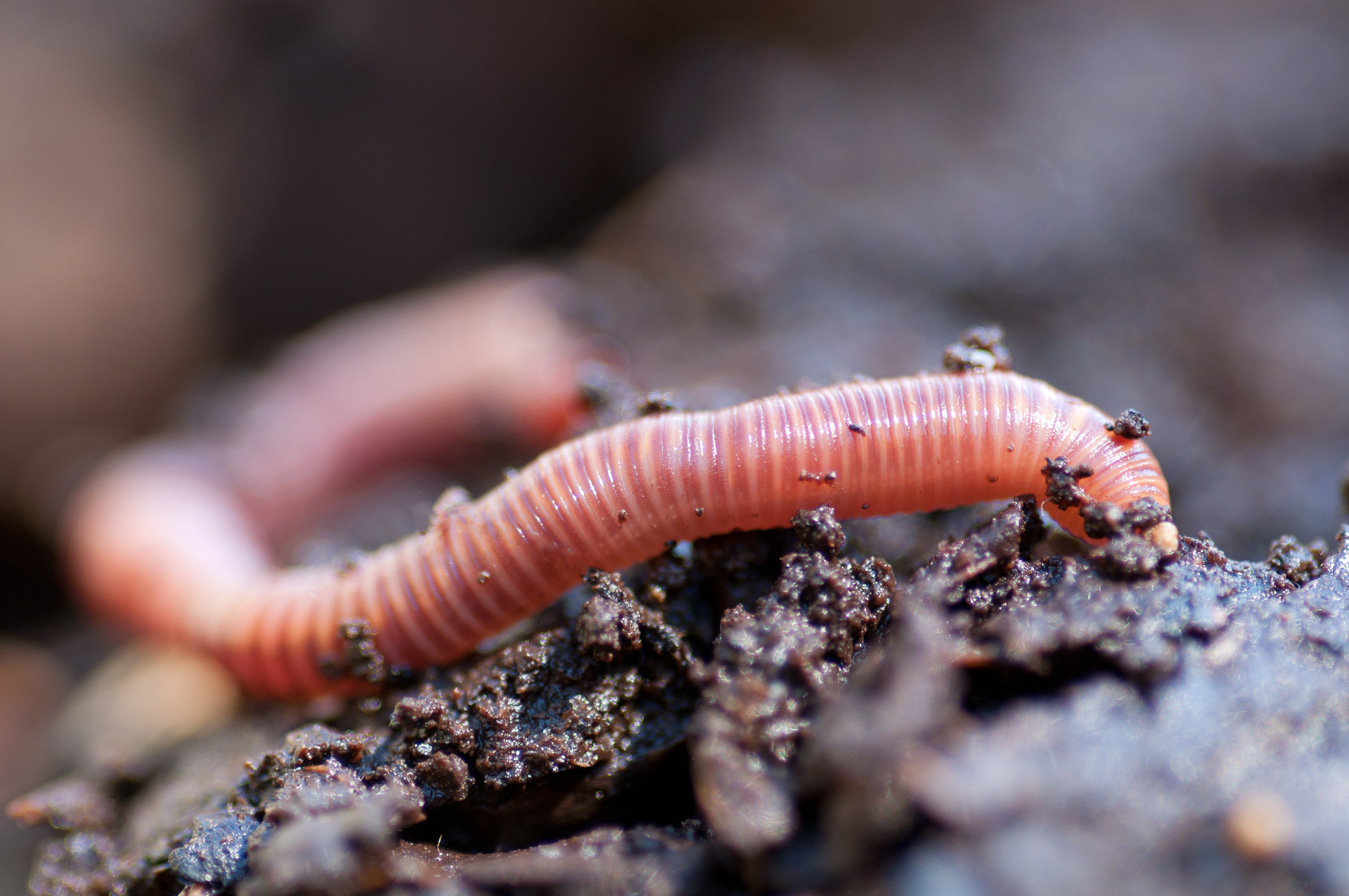
Scientists use leeches to explore how the nervous system coordinates movement. These annelids have a body composed of repeating segments. They move by synchronizing their segments. If you have ever watched an earthworm crawl, then you are watching the coordinated movements of circular and longitudinal muscles through a segmented body like the leech moves.
Patterns Help Researchers
Unlike other annelids, the leech has motor patterns that scientists can study at the level of the individual segments: the leech nervous system is distributed throughout its body on the ganglia in each of the animal’s segments. Because the leech nervous system is simple and easy for scientists to study, scientists can identify specific roles for individual neurons in particular leech behaviors. The neurons are relatively large and arranged in the same way on the surface of each ganglion, which makes it easier for scientists to access and identify them. Both sensory processing and generation of behavior occur to a large degree in ganglia in the segments. And those each contain only about 400 neurons.
The Role of Neurons in Behavior
Because the leech nervous system is simple and easy for scientists to study, they can identify specific roles for individual neurons in particular leech behaviors. As one leech researcher says,
“What is special about the leech is that it has a very clear motor patterns that can be studied at the level of one segment, because one segment has to do the same as the next one. When you get information about one segment, you get information about the whole organism.”
It may seem surprising that leeches can be model organisms for understanding other animals, including mammals, “but principles of its function have in several cases been found to have counterparts in more complex animals.”