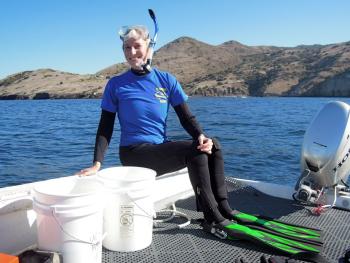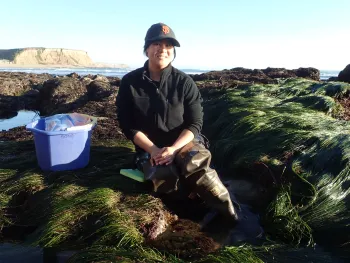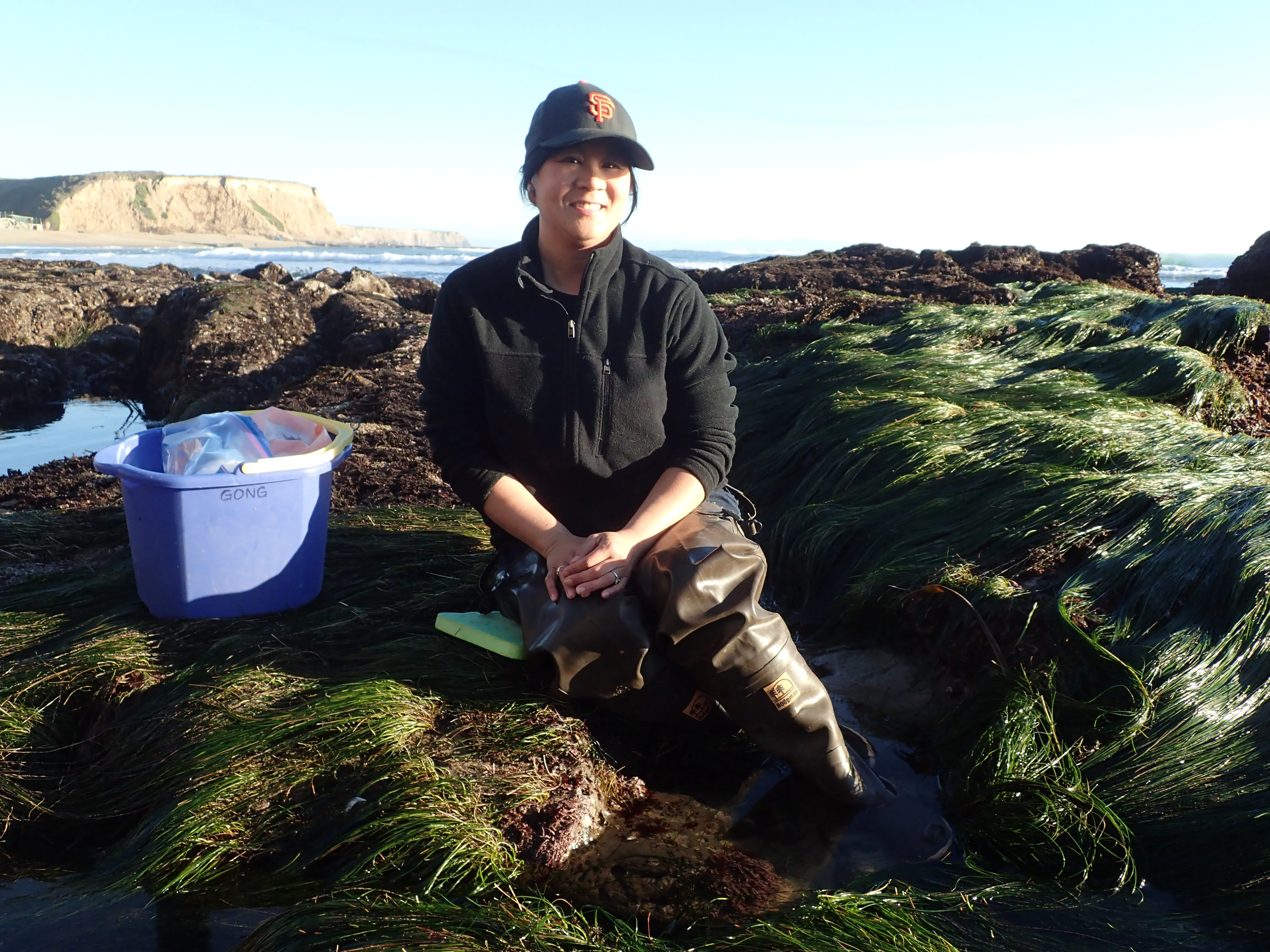
When Allison was growing up in California it was common for kids to just sit in the dirt and play. Allison would dig up worms and try to feed them to robins. She closely watched spiders spin webs. She caught ladybugs and fed them grass then cried when they died because she didn’t know about aphids then.
From Pre-med to Teaching
For Allison’s first two years at university, she was a pre-med major. During that time, she realized a few things about herself and other pre-med students at UC Davis: Premed students were extremely competitive, which was encouraged by some of the professors. “I distinctly remember one professor, on the first day of class, introducing himself as the person who would demolish our dreams of medical school. This was very disheartening to me,” said Allison.
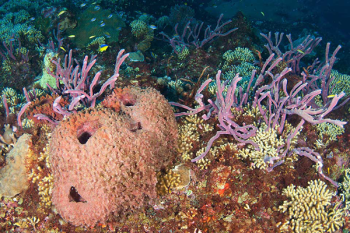
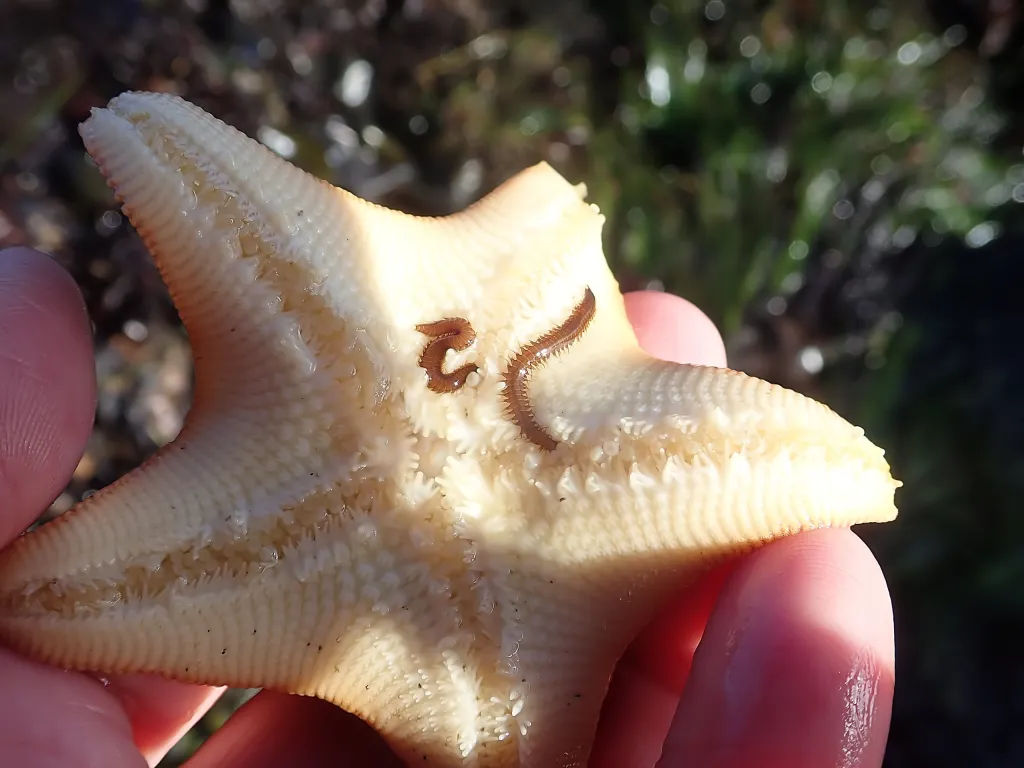
As a junior Allison took a course in invertebrate zoology that literally changed her life. “I became fascinated by and entirely smitten with the bizarre and wonderful creatures I hadn’t given much thought to before. After that, it was easy to say ‘Adieu’ to medical school aspirations,” said Allison.
2018-06-01
© Allison J. Gong
The ‘Heavens Opened’ with Teaching
In graduate school Allison continued to study marine invertebrates and started teaching about them. She didn’t consider herself to be a great graduate student, partly hampered by her inherent lack of competitiveness, and partly because she didn’t feel good at most of the thing’s grad students were supposed to be good at. “But when I started teaching, that’s when the heavens opened. Finally, this was part of grad school that I was good at and actually enjoyed,” smiled Allison.
Science and Art
Allison doesn’t intentionally integrate art into her science teaching. However, as a skillful photographer and observer of living organisms it would be difficult to not view science through an artistic lens.
In every class Allison teaches there is drawing. “I draw on the whiteboard and students draw in their notebooks and lab assignments. I emphasize that the drawing is not intended to make art, but to illustrate a concept or body plan or whatever we’re covering in class. If great art happens, that’s fantastic! And there is a certain beauty in an informative sketch, isn’t there? Art and science are compatible, and I’d even say that both are necessary to us as we learn about the world,” said Allison.
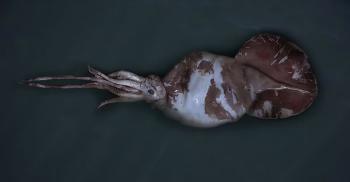
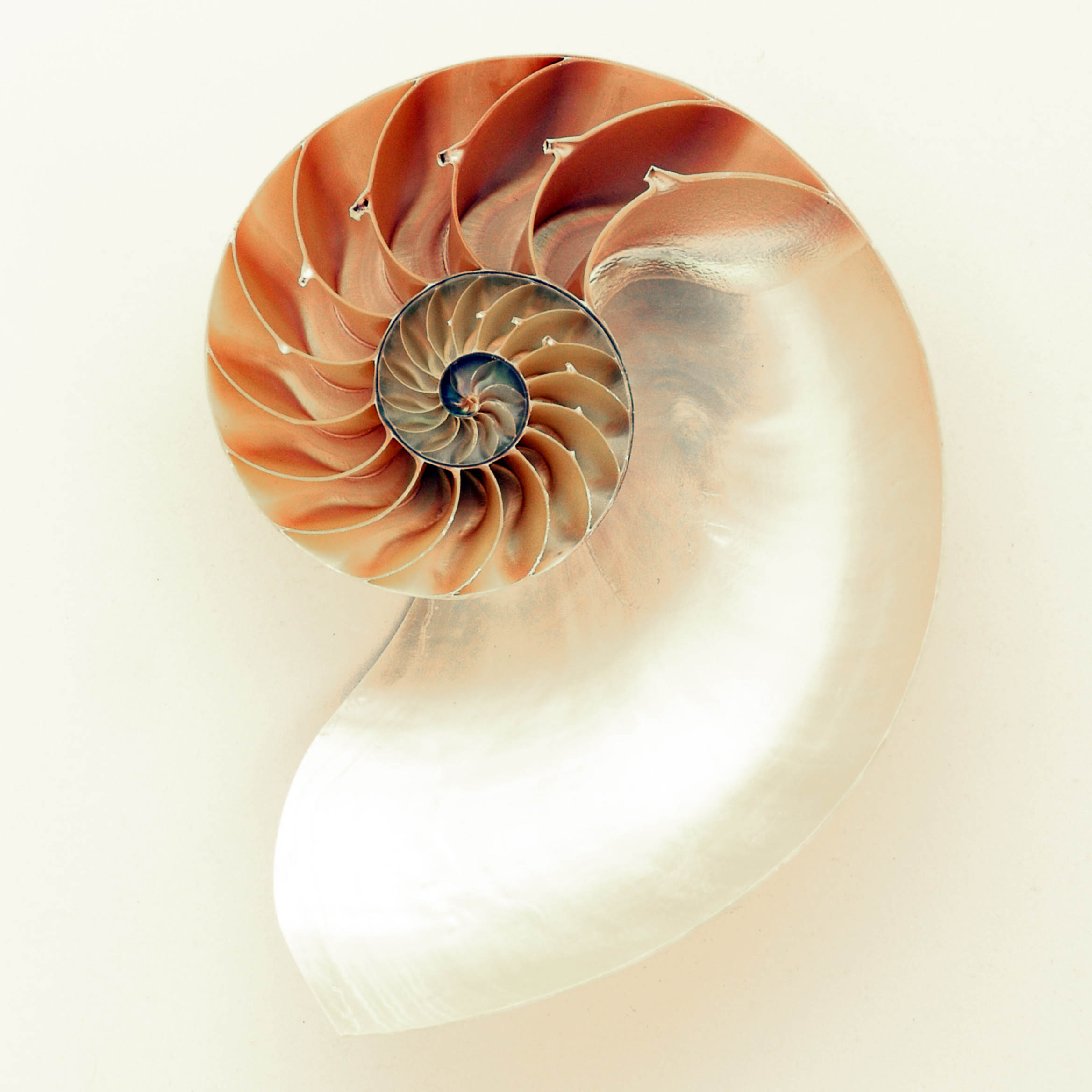
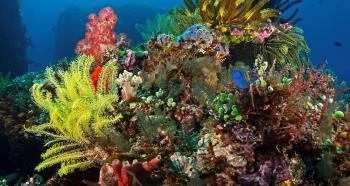
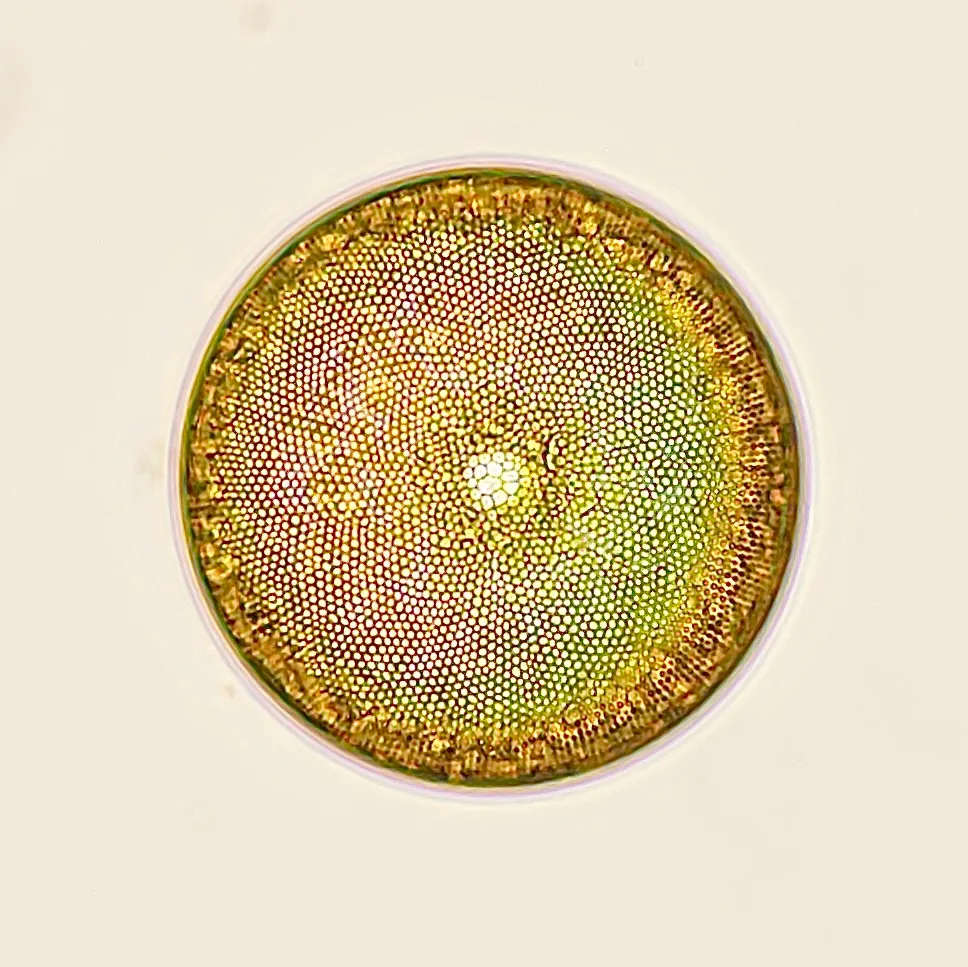
Check out some of Allison’s beautiful photography.
Teaching Science and Climate Change
“I find that even non-STEM students in my biology courses have some understanding of how climate change is affecting all of us. My non-major students have seen videos of ocean waves crashing onto coastal roads. Here in Santa Cruz portions of West Cliff Drive have fallen into the ocean several times in the past half-dozen years” says Allison when asked if her students make the connection between climate change and science.
Allison’s students may not yet understand that sea level rise is due to thermal expansion of a warming ocean, but they will when she explains it in class. For her Marine Biology class climate change is a component of every unit in the course.
For Allison’s Ecology class, students get to see first-hand the effects of climate change on weekly field trips to various habitats in the Monterey Bay region.
The Rewards of Teaching at a Community College
“For me, the rewards of teaching at a community college are great. Community colleges are teaching-centered rather than research-centered. This allows faculty to focus on teaching instead of having to split their time and energy on both teaching and research,” shares Allison.
Allison adds, “Teaching was the one part of graduate school that I was good at. Professors at community colleges teach all courses (i.e., lecture and lab sections) so the hands-on part of learning isn’t outsourced to grad students who may or may not have any expertise in the subject matter. Instead, students spend their classroom time with professors, making communication more direct and timely. As the professor, this allows me to track how students are doing”.
We are very fortunate to live in a community that is surrounded by both the Pacific Ocean and redwood forests. With both a community college and university nearby, there are many options for students to learn science. If you’re lucky, you’ll get a teacher as talented as Allison.
To learn more about Allsion and her talented way of capturing nature, visit her blog.