Bioluminescence - An Adaptation for Deep-sea Survival
Why do many deep-sea organisms glow in the dark?
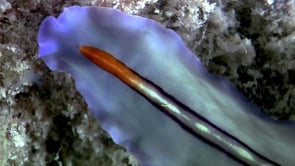
In this lesson students engage in the practice of science by observing behaviors using Shape of Life videos with the audio and closed captioning turned off.
Through a sequence of “explore-before-explain” laboratory investigations, coupled with segments from the Shape of Life videos, students study molluscs in the present and their long evolutionary history.
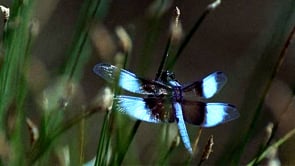
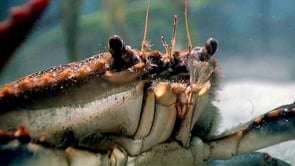
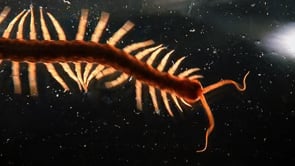
Students explore the diversity and adaptations of marine arthropods through short videos and student centered activities.
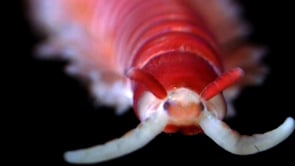
This lesson begins with students engaging in the practice of science -- observing the phenomena, describing their observations, and making sense of what they see. They observe annelid behaviors using a Shape of Life video with the audio turned off. They try to figure out what the phenomenon (the behavior) is, how it might help the organism survive, and how it might impact the environment. Working with a partner, they make hypotheses about what they are observing and organisms' adaptions that allow it to perform the behavior.
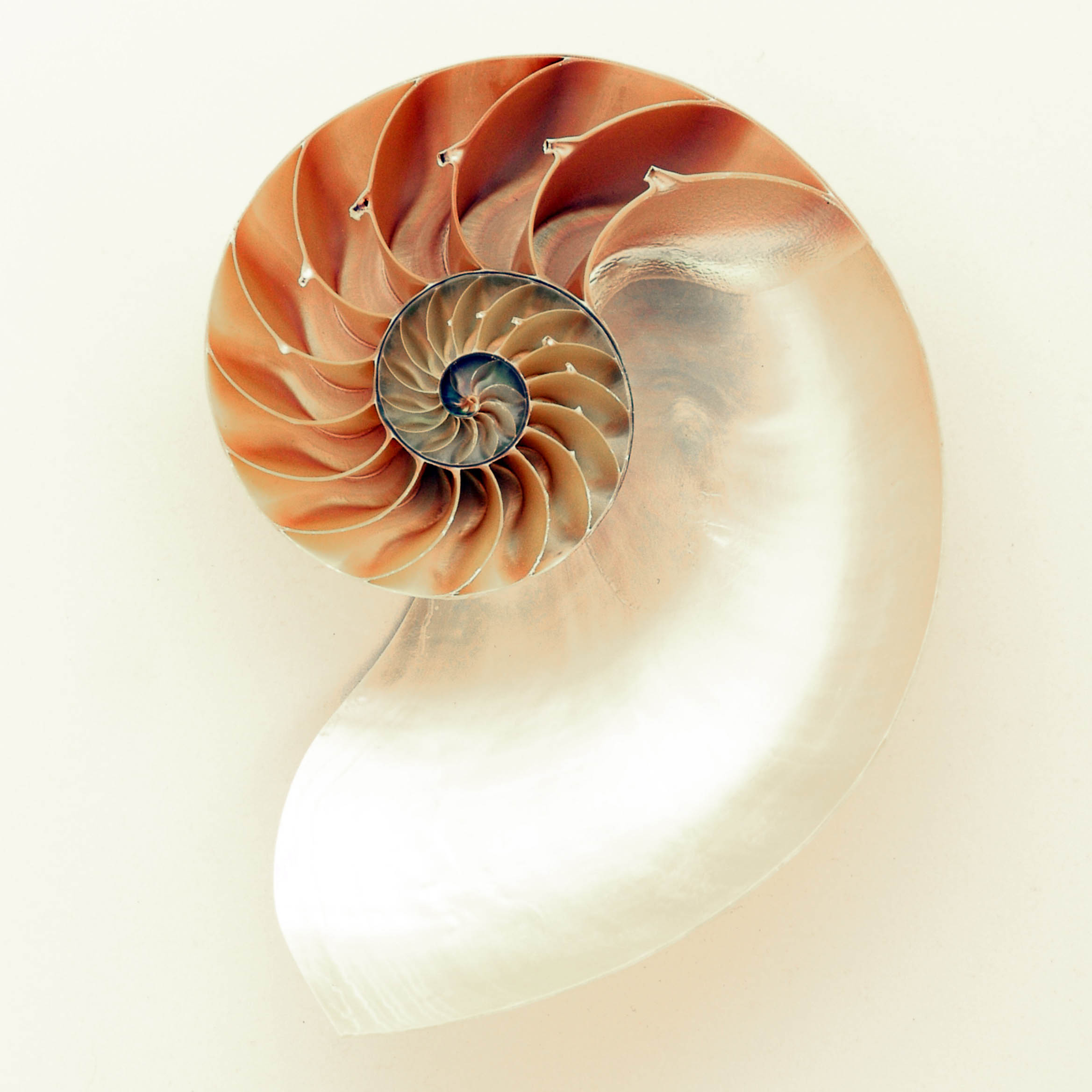
In this hands-on activity, students study the beautiful shells not as objects of beauty but as artifacts born of an evolutionary arms race.
Lab dissection of a representative of Class Bivalvia. Supported by several Shape of Life segments, students interpret bivalve adaptations as a radical case of divergent evolution: A simple ancestral snail with a mobile lifestyle, single dome-shaped shell, bilateral symmetry, and a head (“cephalization”) transformed into a headless, double-shelled, sedentary filter-feeder whose bilateral form is obscure.
Students explore the origins of muscles, nerves, and animal adaptions through of study of the fascinating phylum Cnidaria.
Students explore the evolution of the phylum Chordata by constructing a family tree diagram of evolutionary traits and animals.